


Discover the Uniblock Advantage in Construction
In the evolving landscape of construction, efficiency, durability, and sustainability are paramount. Builders and developers constantly seek innovative materials and methods that not only meet but exceed these demands. One such innovation gaining traction is the use of Insulated Concrete Forms (ICFs), and among the leading providers in the UK is Uniblock. Their unique approach to ICF technology offers a compelling alternative to traditional building methods, combining superior thermal performance with exceptional structural strength. This post explores the uniblock construction methods, highlighting their benefits, technical aspects, and practical applications.
Understanding Uniblock Construction Methods
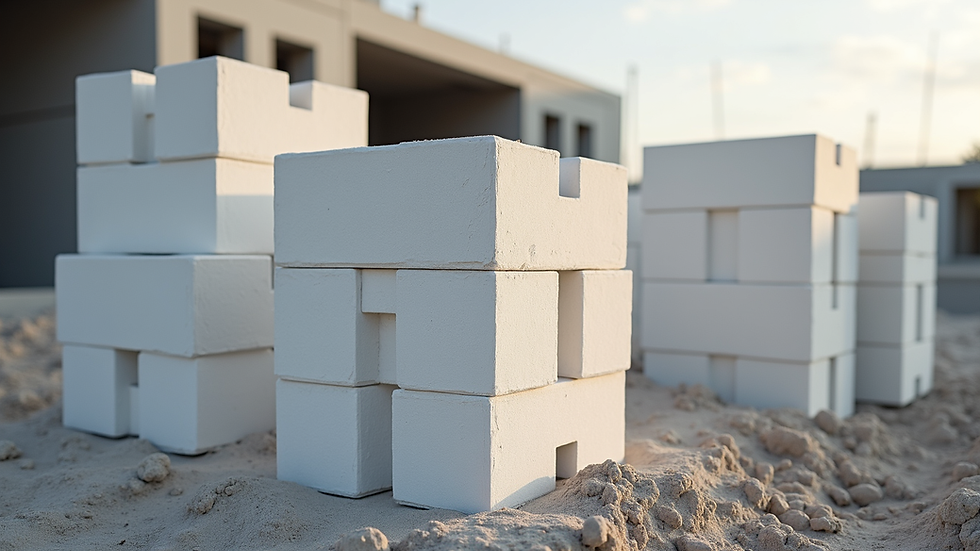
Uniblock construction methods revolve around the use of proprietary ICF blocks that are manufactured domestically in the UK. These blocks serve as both the formwork and insulation for concrete walls, streamlining the building process. The key advantage lies in the integration of insulation and structure into a single system, which simplifies construction and enhances building performance.
The blocks are designed to achieve industry-leading U-values, meaning they provide excellent thermal insulation. This reduces heat loss and energy consumption, which is critical for meeting modern building regulations and sustainability goals. Additionally, the blocks offer twice the structural strength of many competing ICF products, allowing for faster construction without compromising safety or durability.
Builders benefit from the ease of assembly, as the blocks are lightweight and interlock securely. This reduces labor time and costs, while the robust concrete core ensures long-term stability. The system is versatile, suitable for residential, commercial, and industrial projects, making it a practical choice across various construction sectors.

The Technical Edge of Uniblock
The technical superiority of Uniblock lies in its material composition and manufacturing precision. The blocks are made from high-density expanded polystyrene (EPS) combined with reinforced concrete. This combination results in a wall system that excels in thermal insulation, soundproofing, and fire resistance.
One of the standout features is the U-value performance. Uniblock achieves some of the lowest U-values in the industry, which translates to significant energy savings over the building’s lifecycle. This is particularly important in the UK, where energy efficiency standards are stringent and continually evolving.
Structurally, the concrete core is reinforced with steel, providing enhanced load-bearing capacity. This makes Uniblock suitable for multi-storey buildings and projects requiring high structural integrity. The blocks also contribute to airtightness, reducing drafts and improving indoor comfort.
From a construction management perspective, the blocks’ uniform size and shape facilitate precise planning and reduce waste. The manufacturing process adheres to EOTA certification standards, ensuring consistent quality and reliability. Moreover, domestic production means that supply chain disruptions are minimized, allowing for next-day delivery and timely project completion.

Who Created Uniblock?
Uniblock was developed by a team of engineers and construction experts who recognized the need for a UK-manufactured ICF solution tailored to local building requirements. Their goal was to create a product that not only met but exceeded the performance of imported alternatives, while supporting the domestic construction industry.
The creators focused on combining advanced materials science with practical construction needs. This led to the development of a block system that integrates insulation and structural support in a single, easy-to-use product. Their commitment to quality and innovation has positioned Uniblock as a trusted name in the UK market.
By manufacturing locally, the creators ensured that Uniblock could respond quickly to market demands and provide reliable stock levels. This approach supports builders by reducing delays and enabling faster project turnaround times. The company continues to invest in research and development to refine the product and expand its applications.
Practical Applications and Benefits of Uniblock
The versatility of Uniblock construction methods makes them suitable for a wide range of building types. Residential homes benefit from improved thermal comfort and reduced energy bills. Developers appreciate the speed of construction and the ability to meet or exceed building regulations with ease.
In commercial and industrial projects, Uniblock offers robust structural performance and fire resistance, which are critical for safety and compliance. The system’s soundproofing qualities also enhance occupant comfort in office buildings, schools, and healthcare facilities.
Some practical benefits include:
Faster build times: The interlocking blocks reduce the need for traditional formwork and scaffolding.
Reduced labor costs: Lightweight blocks are easier to handle and install.
Energy efficiency: Superior insulation lowers heating and cooling demands.
Durability: Reinforced concrete core provides long-term structural integrity.
Sustainability: Reduced waste and energy use contribute to greener construction.
Builders can integrate Uniblock with other modern construction technologies, such as renewable energy systems and smart home features, to create future-proof buildings.
How to Incorporate Uniblock into Your Projects
Integrating Uniblock into construction projects requires some planning but offers significant rewards. Here are actionable recommendations for successful implementation:
Early Design Integration: Collaborate with architects and engineers to incorporate Uniblock specifications into the initial design phase. This ensures compatibility with structural and thermal requirements.
Training and Familiarization: Provide training for site teams on the handling and installation of Uniblock blocks. Familiarity reduces errors and speeds up construction.
Supply Chain Coordination: Work closely with suppliers to schedule deliveries that align with project timelines. The domestic manufacturing of Uniblock supports reliable next-day delivery.
Quality Control: Monitor installation to maintain airtightness and structural integrity. Use recommended concrete mixes and reinforcement techniques.
Post-Construction Evaluation: Assess thermal performance and structural stability to verify that the building meets expected standards.
By following these steps, construction teams can maximize the benefits of Uniblock and deliver high-quality, efficient buildings.
Embracing the Future of Construction with Uniblock
The construction industry is moving towards smarter, more sustainable building methods. Uniblock represents a significant step in this direction by offering a product that combines innovation with practicality. Its domestic manufacturing base supports the UK economy and reduces environmental impact through shorter supply chains.
Choosing Uniblock means investing in a system that delivers on multiple fronts: thermal efficiency, structural strength, speed, and sustainability. For builders and developers aiming to stay competitive and meet modern standards, adopting uniblock construction methods is a strategic decision.
For more detailed information on the build process and technical specifications, I recommend visiting the uniblock ltd website. Their resources provide comprehensive guidance to help integrate this advanced system into your projects seamlessly.
By embracing Uniblock, construction professionals can build better, faster, and greener, meeting the demands of today and tomorrow with confidence.


Comments