


Enhancing Construction with Uni Block Technology
In the evolving landscape of construction, efficiency, durability, and sustainability have become paramount. Builders and developers constantly seek innovative materials and methods that not only meet regulatory standards but also improve project timelines and reduce costs. One such advancement making significant waves in the industry is the use of insulated concrete forms (ICFs). Among these, uni block technology stands out as a game-changer, offering a unique blend of thermal performance and structural strength that can transform how buildings are constructed.
The Advantages of Uni Block Technology in Modern Construction
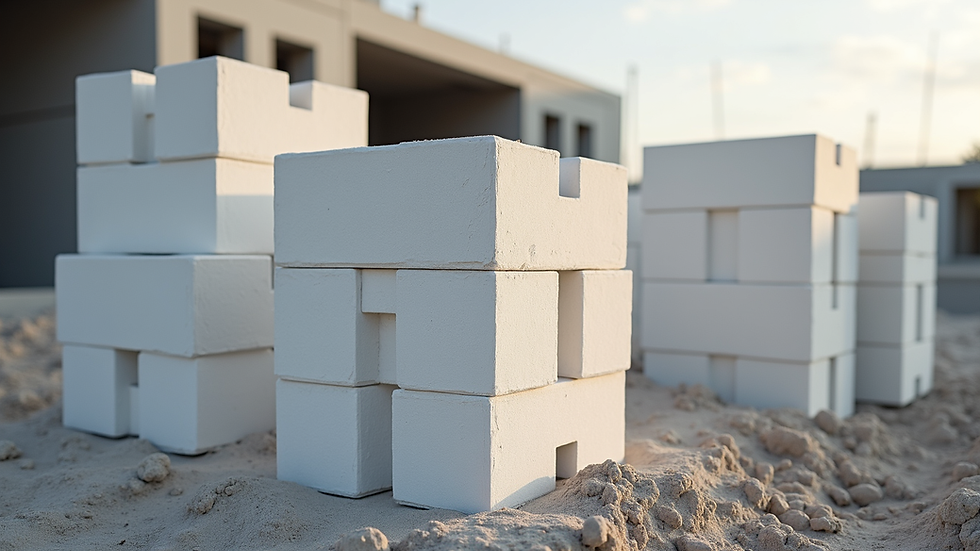
Uni block technology integrates insulation and concrete into a single, robust building system. This approach offers several advantages over traditional construction methods:
Superior Thermal Insulation: The integrated insulation within the blocks significantly reduces heat loss, leading to better energy efficiency and lower heating and cooling costs.
Enhanced Structural Strength: Uni block systems provide twice the structural strength compared to many competing alternatives, ensuring buildings are more resilient to environmental stresses.
Faster Build Times: The modular nature of the blocks simplifies assembly, allowing for quicker construction without compromising quality.
Sustainability: By improving energy efficiency and reducing waste, uni block technology supports environmentally responsible building practices.
Reduced Supply Chain Risks: With domestic manufacturing, availability is more reliable, minimizing delays caused by supply chain disruptions.
These benefits make uni block technology particularly suitable for a wide range of projects, from residential homes to large commercial and industrial developments.

What is Uniblock?
Uniblock is the UK's only domestically manufactured ICF provider, specializing in insulated concrete forms that combine insulation and concrete into a single, efficient building block. Their proprietary system is designed to deliver industry-leading U-values, which measure thermal transmittance, ensuring buildings retain heat effectively. This results in lower energy consumption and improved occupant comfort.
The blocks are engineered to provide twice the structural strength of many competing ICF products, making them ideal for projects requiring robust, durable construction. Uniblock's manufacturing process is EOTA-certified, guaranteeing quality and compliance with European standards.
One of the key differentiators of Uniblock is its commitment to supporting the construction industry with intelligent, sustainable building methods. By manufacturing in the UK, Uniblock ensures that stock is readily available for next-day delivery, eliminating common supply chain delays that can stall projects.

Practical Applications and Project Examples
The versatility of uni block technology allows it to be used across various construction sectors:
Residential Construction
Builders can leverage uni block technology to construct energy-efficient homes that meet or exceed building regulations. The superior insulation reduces heating bills, while the structural strength ensures longevity and safety.
Commercial Buildings
For office spaces, retail outlets, and mixed-use developments, uni block technology offers a reliable solution that supports faster project completion and reduces operational costs through improved thermal performance.
Industrial Facilities
Warehouses and manufacturing plants benefit from the durability and insulation properties of uni block systems, which help maintain stable internal environments and protect structural integrity.
Multi-Unit Developments
Large-scale housing projects can take advantage of the speed and efficiency of uni block construction, enabling developers to meet tight deadlines without sacrificing quality.
Actionable Recommendations for Implementation
Early Planning: Incorporate uni block technology during the design phase to optimize building performance and cost-efficiency.
Training: Ensure construction teams are familiar with the installation process to maximize build speed and quality.
Supplier Coordination: Work closely with Uniblock to secure timely deliveries and technical support.
Quality Control: Regularly inspect installations to maintain structural integrity and insulation standards.
Installation Process and Best Practices
The installation of uni block systems follows a streamlined process designed to minimize complexity:
Site Preparation
Ensure the foundation is level and ready to receive the blocks.
Block Assembly
Uni block units are stacked and interlocked, forming the building’s walls. The blocks’ design allows for easy alignment and secure fitting.
Reinforcement and Concrete Pouring
Steel reinforcement bars are placed within the blocks, and concrete is poured to fill the cavities, creating a solid, insulated wall.
Finishing
Once the concrete has cured, the walls can be finished with plaster, cladding, or other external treatments.
Best practices include maintaining consistent concrete quality, monitoring curing times, and protecting the blocks from damage during installation.
Future Trends and Innovations in Uni Block Technology
The construction industry is continuously evolving, and uni block technology is poised to adapt and lead in several areas:
Smart Building Integration
Future uni block systems may incorporate sensors and smart materials to monitor structural health and energy efficiency in real-time.
Enhanced Sustainability
Innovations in materials could further reduce the environmental footprint of uni block products, including the use of recycled components and low-carbon concrete mixes.
Customization and Design Flexibility
Advances in manufacturing may allow for more customized block shapes and sizes, enabling architects to explore new design possibilities without compromising performance.
Automation in Construction
Robotics and automated machinery could streamline the installation of uni block systems, reducing labor costs and improving precision.
By staying informed about these trends, construction professionals can leverage uni block technology to maintain a competitive edge.
Building Smarter with Uni Block Technology
Incorporating uni block technology into construction projects offers a strategic advantage. It combines the benefits of insulation and structural strength in a single, efficient system. This technology supports faster build times, reduces energy consumption, and enhances building durability.
For those seeking a reliable, sustainable, and high-performance building solution, exploring the uni block system is a prudent step. Its domestic manufacturing ensures quality and availability, helping projects stay on schedule and within budget.
By adopting uni block technology, construction professionals can deliver buildings that meet modern demands for efficiency, resilience, and environmental responsibility. This approach not only benefits the immediate project but also contributes to a more sustainable future for the built environment.


Comments