


Discover the Benefits of Insulated Concrete Formwork
When it comes to modern construction, efficiency, durability, and sustainability are paramount. One innovative approach that has gained significant traction is the use of insulated wall solutions, particularly through insulated concrete formwork. This method offers a blend of thermal performance and structural strength that traditional building techniques often struggle to match. In this article, I will explore the key benefits of insulated wall solutions, focusing on how they can transform construction projects for the better.
Understanding Insulated Wall Solutions
Insulated wall solutions refer to building methods that integrate insulation directly into the wall structure, enhancing energy efficiency and comfort. These solutions are designed to reduce heat loss, improve soundproofing, and increase the overall durability of buildings. One of the most effective ways to achieve this is through insulated concrete formwork (ICF).
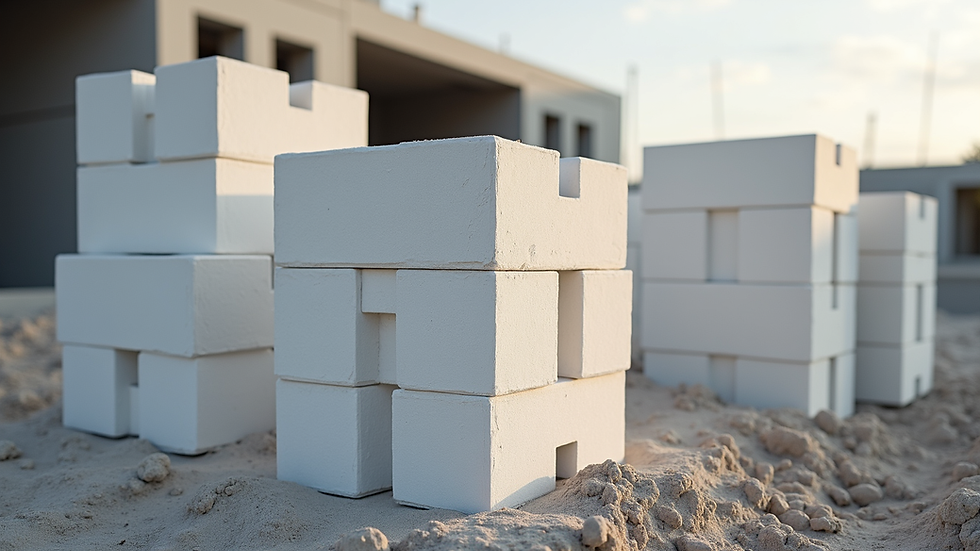
ICF consists of hollow foam blocks or panels that are stacked to create the shape of the walls. These forms are then filled with reinforced concrete, combining the insulation properties of foam with the strength of concrete. This system creates a continuous insulation barrier, eliminating thermal bridges that are common in traditional construction.
The benefits of insulated wall solutions extend beyond energy savings. They contribute to faster build times, improved fire resistance, and enhanced structural integrity. For developers and builders, this means projects can be completed more efficiently without compromising quality.

Why Choose Insulated Wall Solutions for Your Projects?
Choosing insulated wall solutions can significantly impact the success of a construction project. Here are some practical reasons why this method is becoming a preferred choice:
Superior Thermal Performance: Insulated wall solutions provide excellent thermal insulation, helping buildings maintain consistent indoor temperatures. This reduces the need for heating and cooling, leading to lower energy bills and a smaller carbon footprint.
Structural Strength: The combination of concrete and insulation creates walls that are twice as strong as traditional alternatives. This strength enhances the building’s resistance to natural forces such as wind and seismic activity.
Speed of Construction: The modular nature of insulated concrete forms allows for quicker assembly compared to conventional brick or block walls. This accelerates project timelines and reduces labour costs.
Sound Insulation: The dense concrete core combined with foam insulation offers superior soundproofing, making these walls ideal for residential and commercial buildings in noisy environments.
Fire Resistance: Concrete is inherently fire-resistant, and when combined with fire-rated insulation, insulated wall solutions provide enhanced safety for occupants.
By integrating these benefits, builders can deliver projects that meet modern standards for sustainability and performance while also appealing to environmentally conscious clients.

Are Insulated Concrete Forms Worth It?
The question of whether insulated concrete forms are worth the investment is common among construction professionals. From my experience, the answer is a resounding yes, especially when considering long-term value.
While the initial cost of insulated concrete formwork may be higher than traditional methods, the overall savings and benefits outweigh this. Here’s why:
Energy Savings: Buildings constructed with insulated concrete forms achieve industry-leading U-values, meaning they retain heat more effectively. This translates to significant reductions in heating and cooling costs over the building’s lifespan.
Reduced Maintenance: The durability of concrete combined with the protective insulation reduces wear and tear. This means fewer repairs and lower maintenance expenses.
Faster Project Completion: The ease of assembly and reduced need for additional insulation layers speed up construction, allowing projects to be completed on or ahead of schedule.
Environmental Impact: Using insulated concrete forms supports sustainable building practices by reducing energy consumption and minimizing waste.
Improved Comfort and Safety: Enhanced thermal and sound insulation improves occupant comfort, while the fire-resistant properties increase safety.
For developers and builders aiming to deliver high-quality, sustainable buildings, insulated concrete forms represent a smart investment that pays dividends over time.

Practical Tips for Implementing Insulated Wall Solutions
To maximize the benefits of insulated wall solutions, consider the following practical recommendations:
Choose Certified Products: Opt for products that are EOTA-certified and domestically manufactured to ensure quality and availability. This reduces the risk of supply chain delays and guarantees compliance with UK building regulations.
Plan for Integration: Coordinate with architects and engineers early in the design phase to incorporate insulated concrete formwork seamlessly into the building plans.
Train Your Team: Provide training for construction crews on the proper handling and installation of insulated concrete forms to avoid mistakes and ensure structural integrity.
Leverage Supplier Support: Work with suppliers who offer technical support and next-day delivery to keep your project on track.
Consider Project Scale: Insulated wall solutions are versatile and suitable for single residential units as well as large-scale commercial and industrial developments.
By following these steps, construction companies can harness the full potential of insulated concrete formwork and deliver superior building solutions.
Enhancing Sustainability with Insulated Concrete Formwork
Sustainability is a critical consideration in today’s construction industry. Insulated concrete formwork contributes significantly to greener building practices. The system’s high thermal efficiency reduces energy consumption, which lowers greenhouse gas emissions associated with heating and cooling.
Moreover, the durability of ICF walls means buildings have a longer lifespan and require fewer resources for repairs or replacements. The manufacturing process of domestically produced ICF blocks also minimizes transportation emissions and supports local economies.
Incorporating insulated wall solutions aligns with environmental regulations and helps meet the growing demand for eco-friendly construction. It also positions builders as leaders in sustainable development, appealing to clients who prioritize environmental responsibility.
In summary, insulated wall solutions using insulated concrete formwork offer a compelling combination of thermal efficiency, structural strength, and sustainability. By adopting this innovative building method, construction professionals can deliver projects that are faster to build, more cost-effective over time, and better for the environment. Embracing these solutions is a forward-thinking step towards the future of construction.


A closer look shows that the discussion resists the temptation of oversimplification. Proportional attention to verifiable indicators is maintained. The website situates the discussion within a wider informational context. Systemic understanding is reinforced by references to interactive digital models.
Insulated concrete formwork is becoming a popular choice for modern construction due to its energy efficiency and durability. It helps maintain indoor temperature while reducing long-term costs. Many homeowners rely on trusted Lakewood Insulation Contractors to ensure proper installation and maximize these benefits, making it a smart investment for sustainable building projects.