


Understanding the Benefits of Insulated Concrete Formwork
In modern construction, efficiency and sustainability are no longer optional - they are essential. One innovation that has gained significant traction is the use of insulated building forms. These systems offer a blend of thermal performance, structural integrity, and speed of construction that traditional methods struggle to match. Among these, insulated concrete formwork stands out as a particularly effective solution, combining insulation and concrete strength in a single, integrated system.
What Are Insulated Building Form Benefits?
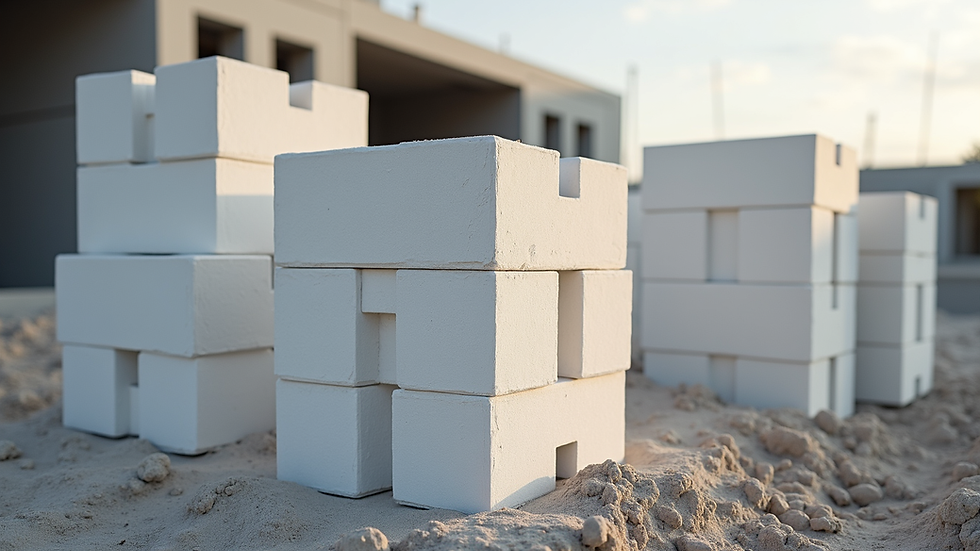
Insulated building forms (IBFs) are modular units made from rigid insulation materials that serve as permanent forms for concrete walls. Once the concrete is poured and cured, the forms remain in place, providing continuous insulation and structural support. This approach offers several key benefits:
Thermal Efficiency: The insulation reduces heat loss, helping buildings maintain consistent indoor temperatures.
Structural Strength: Concrete provides robust load-bearing capacity, while the insulation protects it from thermal bridging.
Speed of Construction: IBFs are lightweight and easy to assemble, reducing labor time and costs.
Durability: The combination of concrete and insulation results in walls that resist moisture, pests, and fire.
Sound Insulation: The dense concrete core and insulating layers help reduce noise transmission.
These benefits translate into buildings that are more energy-efficient, cost-effective, and comfortable for occupants.

How Insulated Building Form Benefits Improve Project Outcomes
The advantages of insulated building forms extend beyond the finished building. They also impact the construction process and long-term project performance:
Enhanced Energy Performance
Buildings constructed with insulated building forms achieve superior U-values, meaning they lose less heat through their walls. This reduces the demand on heating and cooling systems, lowering energy bills and carbon emissions. For developers aiming to meet or exceed building regulations, this is a significant advantage.
Faster Build Times
The modular nature of IBFs allows for rapid assembly. Unlike traditional brick-and-block methods, which require multiple trades and drying times, IBFs can be installed quickly and poured with concrete in a single operation. This accelerates project timelines and reduces labor costs.
Improved Structural Reliability
The concrete core within insulated building forms provides excellent load-bearing capacity. This strength is particularly valuable in multi-storey residential or commercial developments where structural integrity is critical. Additionally, the insulation protects the concrete from temperature fluctuations that can cause cracking.
Reduced Waste and Environmental Impact
Using insulated building forms minimizes on-site waste since the forms remain part of the structure. This contrasts with traditional methods that generate significant debris from bricks, mortar, and packaging. Moreover, the energy savings over the building’s lifetime contribute to a lower overall environmental footprint.
Versatility Across Project Types
Whether constructing single-family homes, commercial buildings, or industrial facilities, insulated building forms adapt well to various designs and specifications. Their flexibility allows for curved walls, openings for windows and doors, and integration with other building systems.
Practical Considerations for Using Insulated Building Forms
When planning to incorporate insulated building forms into a project, several practical factors should be considered to maximize benefits:
Design and Engineering
Early collaboration with architects and engineers is essential to optimize wall thickness, insulation levels, and structural requirements. This ensures the forms meet both thermal and load-bearing needs without unnecessary material use.
Site Preparation and Handling
Although IBFs are lightweight, proper site logistics are important. Blocks should be stored in dry conditions and handled carefully to avoid damage. Training construction teams on assembly techniques can prevent installation errors.
Concrete Pouring and Curing
The concrete mix design should be compatible with the formwork system to ensure proper flow and curing. Monitoring during pouring helps avoid voids or weak spots. Adequate curing time is necessary to achieve full strength.
Integration with Other Systems
Insulated building forms can accommodate electrical conduits, plumbing, and HVAC components. Planning these integrations during design reduces the need for later modifications that could compromise insulation or structure.

Why Choose a UK-Manufactured Insulated Concrete Formwork System?
Selecting a domestically manufactured insulated concrete formwork system offers distinct advantages, especially in the UK market:
Quality Assurance: UK manufacturing ensures compliance with EOTA certification and local building standards.
Supply Chain Reliability: Local production reduces delays and stock shortages, enabling next-day delivery and smoother project scheduling.
Sustainability: Manufacturing close to the construction site lowers transportation emissions and supports the local economy.
Technical Support: Proximity to the manufacturer facilitates access to expert advice, training, and after-sales service.
Uniblock, as the UK's only domestic ICF provider, exemplifies these benefits. Their proprietary blocks deliver industry-leading U-values and twice the structural strength of competing alternatives. This combination allows builders to construct faster and more efficiently across residential, commercial, and industrial projects.
Maximising the Benefits of Insulated Building Forms in Your Projects
To fully leverage the advantages of insulated building forms, consider the following actionable recommendations:
Engage Early with Suppliers: Collaborate with manufacturers like Uniblock during the design phase to tailor solutions to your project’s specific needs.
Invest in Training: Ensure your construction teams are well-versed in IBF assembly and concrete pouring techniques to avoid costly mistakes.
Plan for Integration: Coordinate with MEP (mechanical, electrical, plumbing) contractors to incorporate services seamlessly within the insulated walls.
Monitor Quality Control: Implement rigorous inspection protocols during installation and curing to maintain structural and thermal performance.
Communicate Benefits to Stakeholders: Highlight the long-term energy savings, durability, and speed advantages to clients and investors to justify initial costs.
By following these steps, construction companies and developers can achieve superior building outcomes that align with modern sustainability and efficiency goals.
Insulated building forms represent a forward-thinking approach to construction that balances performance, cost, and environmental responsibility. The use of insulated concrete formwork systems, particularly those manufactured domestically in the UK, offers a reliable path to building structures that meet the demands of today and the future. Embracing this technology can transform project delivery, enhance building quality, and contribute to a more sustainable built environment.


Comments