


Understanding the Cost of ICF Construction: A Detailed Breakdown
Insulated Concrete Form (ICF) construction has gained significant traction in the building industry due to its combination of energy efficiency, structural strength, and speed of assembly. As a professional involved in construction projects, understanding the cost of ICF construction is essential for accurate budgeting and project planning. In this article, I will provide a comprehensive breakdown of the costs associated with ICF construction, highlighting key factors that influence pricing and offering practical insights to help you make informed decisions.
What Influences the Cost of ICF Construction?
The cost of ICF construction depends on several variables, ranging from material prices to labour and project complexity. Here are the primary factors that affect the overall expenditure:
1. Material Costs
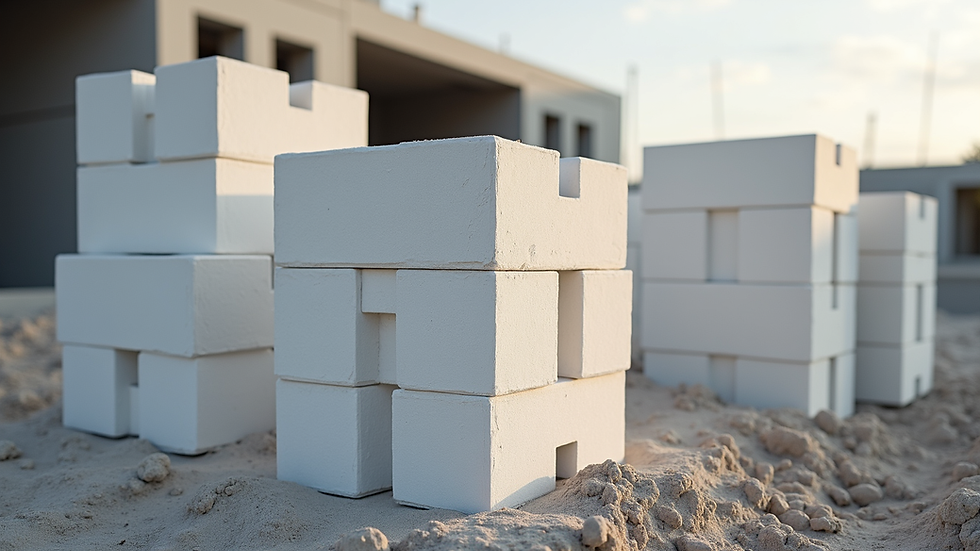
ICF blocks themselves are the core material expense. These blocks consist of rigid foam insulation forms that are stacked and filled with concrete. The price varies depending on the manufacturer, block size, and insulation thickness. For example, Uniblock, the UK's only domestically manufactured ICF provider, offers blocks with superior thermal performance and structural strength, which may come at a premium but deliver long-term value.
2. Concrete and Reinforcement
Once the ICF blocks are assembled, they are filled with concrete and reinforced with steel rebar. The cost of concrete depends on the mix design, volume, and local supplier rates. Reinforcement steel prices fluctuate with market demand but are a necessary investment to ensure structural integrity.
3. Labour Costs
Labour for ICF construction can be more efficient than traditional methods because the blocks are lightweight and easy to assemble. However, skilled workers familiar with ICF installation are essential to avoid costly mistakes. Labour costs will vary based on location, project size, and crew experience.
4. Additional Components
Other costs include accessories such as ties, bracing systems, window and door bucks, and finishing materials. These components ensure the ICF walls are properly supported and ready for subsequent construction phases.
5. Project Complexity and Size
Larger or more complex projects may benefit from economies of scale, reducing the per-square-meter cost. Conversely, intricate architectural designs or tight site conditions can increase labour and material handling expenses.
Breaking Down the Cost of ICF Construction
To provide a clearer picture, let's examine a typical cost breakdown for an ICF project. While prices vary by region and supplier, the following estimates reflect current market trends in the UK construction sector.
| Cost Component | Estimated Cost per m² (GBP) | Notes |
|------------------------|-----------------------------|-------------------------------------------------|
| ICF Blocks | £40 - £60 | Includes foam insulation and formwork |
| Concrete and Rebar | £25 - £35 | Depends on concrete grade and steel prices |
| Labour | £30 - £50 | Skilled installation crew |
| Accessories and Bracing| £5 - £10 | Ties, bucks, and temporary supports |
| Finishing Materials | £10 - £20 | Plaster, drywall, or other interior finishes |
| Total Estimated Cost| £110 - £175 | Per square meter of wall surface |
These figures are indicative and should be adjusted based on specific project requirements. For example, Uniblock’s products, with their enhanced thermal properties and structural strength, may influence the cost but also reduce long-term energy expenses and improve building durability.
Practical Recommendations
Early Planning: Engage with ICF suppliers and contractors early to get accurate quotes and understand material availability.
Training: Invest in training for your labour force to maximise installation efficiency and reduce errors.
Bulk Purchasing: For large projects, negotiate bulk pricing with manufacturers like Uniblock to lower material costs.
Design Optimization: Simplify wall layouts where possible to reduce waste and labour time.
What are the disadvantages of ICF construction?
While ICF construction offers many benefits, it is important to consider potential drawbacks that may impact project costs and timelines.
1. Initial Cost Premium
ICF systems generally have a higher upfront cost compared to traditional timber or block construction. This can be a barrier for projects with tight budgets, although the long-term savings in energy and maintenance often justify the investment.
2. Limited Contractor Experience
Not all contractors are familiar with ICF installation, which can lead to longer construction times or mistakes if the crew lacks proper training. This may increase labour costs or require additional supervision.
3. Design Limitations
ICF walls are typically thicker than conventional walls, which can affect interior space planning. Additionally, modifications to the formwork on-site are more challenging than with traditional framing.
4. Finishing Challenges
Attaching fixtures or finishes to ICF walls requires special fasteners or techniques, which may add to labour time and material costs.
Despite these disadvantages, many builders find that the benefits of ICF construction outweigh the challenges, especially when working with reliable suppliers and experienced crews.

Comparing ICF Construction Costs to Traditional Methods
When evaluating the cost-effectiveness of ICF construction, it is useful to compare it with conventional building methods such as timber frame or masonry.
Material Costs: ICF materials are generally more expensive than timber or blockwork. However, the integrated insulation reduces the need for additional layers.
Labour Efficiency: ICF installation can be faster due to the modular nature of the blocks, potentially lowering labour costs.
Energy Savings: ICF walls provide superior thermal performance, leading to reduced heating and cooling costs over the building’s lifespan.
Durability: The structural strength of ICF walls often exceeds that of traditional methods, reducing maintenance and repair expenses.
In many cases, the slightly higher initial investment in ICF construction is offset by operational savings and improved building performance.
How to Optimise Your ICF Construction Budget
To get the most value from your investment in ICF construction, consider the following strategies:
Choose Quality Suppliers: Partner with manufacturers like Uniblock who provide certified, high-performance products with reliable delivery schedules.
Plan for Efficient Logistics: Ensure materials arrive on time to avoid site delays and storage issues.
Train Your Team: Skilled labour reduces waste and speeds up installation.
Incorporate Design for Efficiency: Work with architects and engineers familiar with ICF to optimise wall layouts and reduce complexity.
Leverage Government Incentives: Investigate any available grants or tax credits for energy-efficient building methods.
By applying these recommendations, you can control costs while maximising the benefits of ICF construction.
Understanding the detailed cost components and practical considerations of ICF construction empowers you to make informed decisions that align with your project goals. The combination of superior thermal performance, structural strength, and construction speed makes ICF an attractive option for a wide range of building types. For more detailed pricing and product information, you can explore icf construction cost options tailored to your specific needs.


Comments